
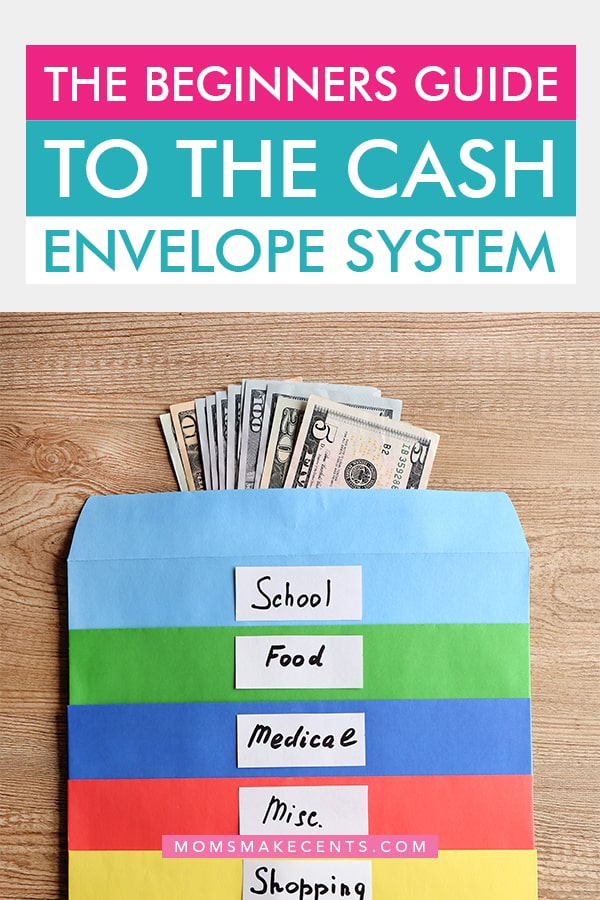
Are you tired of overspending at the grocery store? Do your receipts keep growing, even when you’re trying to stick to a budget? You’re not alone. Many people struggle with impulsive purchases, unclear spending limits, and the temptation of digital payments that make it easy to lose track of money. The good news? The cash envelope system for groceries can help you regain control, reduce waste, and save money—starting today.
This simple, proven method uses physical cash and labeled envelopes to set strict spending limits for your grocery trips. By using the cash envelope system for groceries, you’ll make intentional choices, avoid overspending, and build stronger financial habits. No apps, no spreadsheets—just real money in real envelopes. In this guide, you’ll learn exactly how to set it up, stick to it, and see real results.
What Is the Cash Envelope System?
The cash envelope system is a budgeting technique where you divide your monthly or weekly spending money into separate envelopes labeled by category—like groceries, dining out, gas, or entertainment. Each envelope holds only the cash allocated for that expense. Once the cash is gone, you stop spending in that category until the next budget cycle.
This method works because it creates a tangible limit. When you hand over physical cash at the store, you feel the impact of each purchase. It’s harder to overspend when you can literally see how much money you have left. For groceries—a category where small, frequent purchases add up quickly—the cash envelope system is especially effective.
Unlike digital budgets or credit cards, cash forces mindfulness. You can’t “just swipe” when you’re counting out bills. This awareness helps you prioritize needs over wants and avoid last-minute snacks or brand-name splurges that blow your budget.
Why the Cash Envelope System Works for Groceries
Groceries are one of the most common areas where budgets fail. It’s easy to justify a few extra items—“It’s just a snack,” or “This is on sale!”—but those small decisions add up. The average household overspends on groceries by hundreds of dollars each year. The cash envelope system stops this pattern by setting a clear, non-negotiable limit.
Here’s why it works so well for grocery shopping:
- Visual accountability: You see exactly how much you’ve spent and how much remains.
- Reduced impulse buys: When you’re limited to cash, you think twice before adding unplanned items.
- Simplified tracking: No need to log receipts or check bank statements—just count the cash left in the envelope.
- Encourages meal planning: Knowing your limit motivates you to plan meals and shop with a list.
Many families report saving 15–30% on their grocery bills after switching to the cash envelope system. It’s not about deprivation—it’s about making smarter choices with the money you already have.
Step-by-Step Guide to Using the Cash Envelope System for Groceries
Step 1: Determine Your Grocery Budget
Before you can use the cash envelope system for groceries, you need to know how much to put in the envelope. Start by reviewing your past grocery spending. Look at receipts, bank statements, or budgeting apps to find your average monthly cost.
Next, set a realistic target. If you currently spend $500 a month, try reducing it by 10–20%. For example, aim for $400–$450. Consider your household size, dietary needs, and shopping habits. A single person will need less than a family of four.
Break this amount into weekly envelopes if you shop weekly. For a $400 monthly budget, that’s $100 per week. This smaller amount feels more manageable and helps you stay on track between paychecks.
Step 2: Withdraw Cash and Label Your Envelope
Visit your bank or ATM and withdraw the exact amount of cash for your grocery envelope. Avoid using a debit card for this—cash is key. Use physical bills and coins so you can see and feel the money.
Take a plain envelope—any kind will do—and write “Groceries” on the front. You can also add the week or month (e.g., “Groceries – Week 1, April”) to stay organized. If you’re managing multiple envelopes, use different colors or labels to distinguish them.
Place all the cash inside. Don’t mix it with other funds. This envelope is only for groceries—no exceptions. If you need to buy something else, use a different envelope or wait until the next budget cycle.
Step 3: Shop with a Plan
Before heading to the store, create a detailed shopping list. Review your meal plan for the week and include only the items you need. Stick to essentials: proteins, vegetables, grains, dairy, and pantry staples.
Avoid shopping when you’re hungry or rushed. These conditions increase impulse buying. Bring your envelope and your list—and nothing else. Leave your credit and debit cards at home to remove temptation.
At the store, refer to your list constantly. If an item isn’t on the list, ask yourself: “Do I really need this?” If the answer isn’t a clear “yes,” skip it. Remember, once the cash is gone, you can’t buy more until next week.
Step 4: Track Spending in Real Time
As you shop, keep your receipt and subtract each purchase from your mental total. Some people like to count the remaining cash in the envelope after each item. Others write down expenses on a small notepad.
The goal is awareness. If you’re halfway through your trip and already at 70% of your budget, you’ll know to skip extras like snacks or drinks. This real-time feedback is one of the biggest advantages of the cash envelope system.
At checkout, pay only with cash from the envelope. Don’t use gift cards, loyalty points, or digital wallets—these bypass the system and weaken its effectiveness.
Step 5: Review and Adjust
After your shopping trip, count the remaining cash. If you have money left, great! You stayed under budget. If you’re short, note what caused the overspending—was it unplanned items, higher prices, or poor planning?
Use this insight to improve next week. Maybe you need to adjust your budget, shop at a discount store, or buy in bulk. The cash envelope system isn’t about perfection—it’s about progress.
At the end of the month, review your total grocery spending. Compare it to your original budget. Did you save money? Did you reduce food waste? Celebrate small wins and refine your approach.
Tips to Make the Cash Envelope System Stick
Like any new habit, the cash envelope system takes practice. Here are practical tips to help you succeed:
- Start small: If $100 a week feels too tight, begin with $120 and gradually reduce it.
- Involve your family: Explain the system to everyone in your household. When kids understand the limit, they’re less likely to ask for extras.
- Use cashback wisely: If you get cashback at checkout, put it back in the envelope—it’s part of your budget.
- Keep the envelope visible: Store it in a drawer or on your kitchen counter as a daily reminder.
- Don’t skip weeks: Even if you’re busy, stick to the routine. Consistency builds discipline.
Remember, the goal isn’t to punish yourself—it’s to create freedom. When you control your grocery spending, you free up money for savings, debt repayment, or fun experiences.
Common Challenges and How to Overcome Them
Even the best systems face obstacles. Here’s how to handle common issues with the cash envelope system for groceries:
Challenge: Running Out of Cash Mid-Week
If you run out of cash before your next shopping day, resist the urge to dip into other envelopes or use a card. Instead, get creative. Use pantry staples, eat simple meals, or visit a local food pantry if needed.
This experience teaches valuable lessons. Next time, you’ll plan better, shop smarter, or adjust your budget. Running out isn’t failure—it’s feedback.
Challenge: Rising Food Prices
Inflation affects everyone. If grocery prices rise, your envelope amount may need to increase—or your shopping habits must change. Focus on store brands, seasonal produce, and bulk items. Shop sales and use coupons, but only for items on your list.
You can also supplement with non-cash methods for essentials like milk or bread, but keep the core of your grocery budget in cash.
Challenge: Family or Partner Resistance
Not everyone will embrace the system right away. Some may see it as restrictive or old-fashioned. Address concerns with empathy. Share your goals—like saving for a vacation or paying off debt—and invite them to participate.
Try a trial period: “Let’s test this for one month and see how it goes.” Often, people come around once they see the results.
Key Takeaways
- The cash envelope system for groceries helps you control spending by using physical cash and strict limits.
- It reduces impulse buys, increases awareness, and encourages meal planning.
- To use it, set a budget, withdraw cash, label an envelope, shop with a list, and track spending.
- Challenges like running out of cash or rising prices are normal—adjust and keep going.
- With consistency, this method can save you hundreds of dollars a year.
FAQ
Can I use the cash envelope system if I shop online?
The cash envelope system works best with in-person shopping, where you physically hand over cash. For online grocery orders, it’s harder to control spending in real time. However, you can adapt the system by pre-loading a gift card with your grocery budget amount and using only that card for online purchases. This mimics the cash limit and helps prevent overspending.
What if I need to buy something not on my list?
If an unexpected need arises—like a missing ingredient or a school lunch item—ask yourself if it’s truly necessary. If yes, consider whether you can swap it for something already in your cart or wait until next week. The goal is to stay within your envelope. Over time, you’ll get better at planning ahead.
Is the cash envelope system only for people on a tight budget?
No. Anyone can benefit from the cash envelope system, regardless of income. It’s not about being poor—it’s about being intentional. Even high earners overspend on groceries. The system promotes mindful spending, reduces waste, and builds financial discipline. Whether you’re saving for a house or just want to stop wasting money, this method works.
Final Thoughts
The cash envelope system for groceries isn’t complicated, but it does require commitment. It’s not about perfection—it’s about progress. Every dollar you save is a step toward financial freedom.
Start small. Try it for one week. See how it feels to shop with purpose, stick to a plan, and watch your savings grow. You might be surprised by how much you can save—and how good it feels to be in control.
Take action today. Withdraw your cash, label your envelope, and make your next grocery trip a mindful one. Your future self will thank you.