
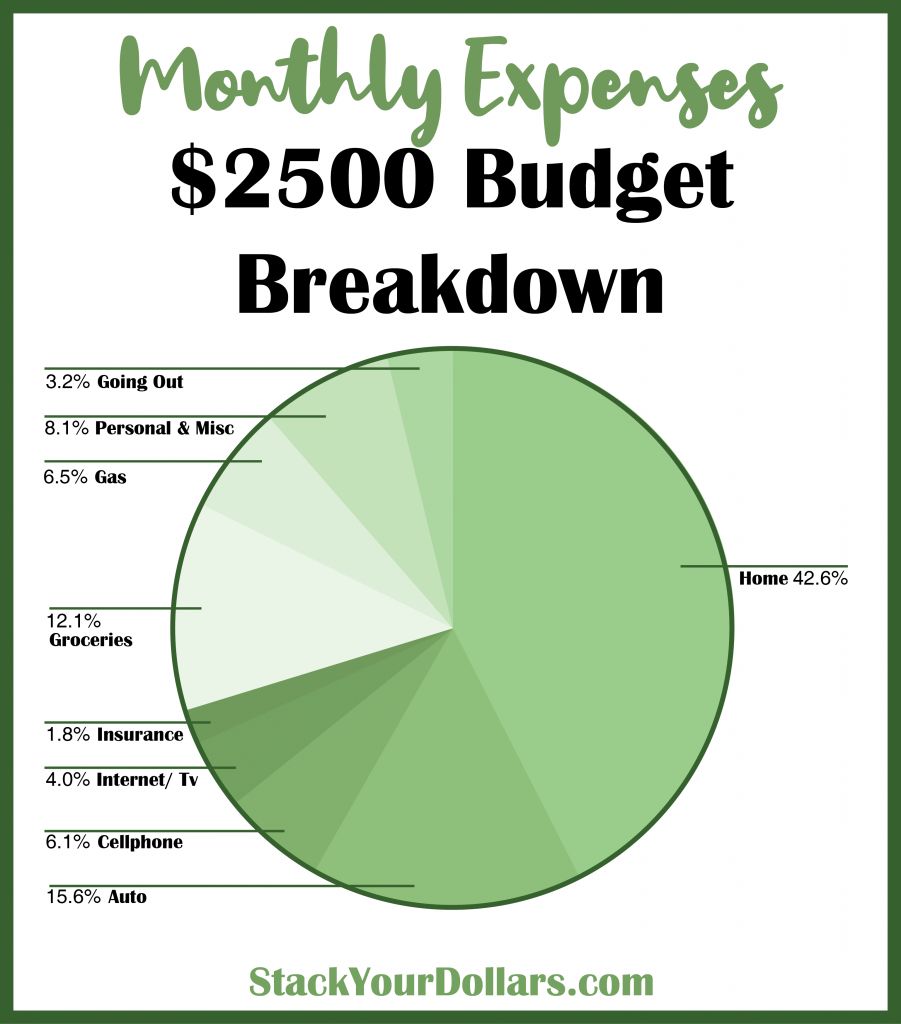
Living on $1,500 a month isn’t just possible—it’s achievable with smart planning, disciplined spending, and a clear understanding of your financial priorities. Whether you’re a student, a single parent, a recent graduate, or someone rebuilding after a financial setback, this budget breakdown shows you exactly how to make every dollar count. You’ll learn how to cover essentials like rent, food, and transportation while still saving a little each month. This guide offers practical, real-world strategies to help you live comfortably and responsibly on a tight income.
Why a $1,500 Monthly Budget Requires Strategic Planning
A $1,500 monthly income is modest, but it doesn’t have to mean constant stress or sacrifice. What matters most is how you allocate each dollar. Without a plan, small expenses can quietly drain your account. With a solid budget, you can cover your needs, avoid debt, and even build a small emergency fund. The key is prioritizing essentials, cutting unnecessary costs, and making intentional choices about where your money goes.
Many people assume that living on $1,500 means giving up everything enjoyable. That’s not true. It means being more mindful. It means cooking at home, using public transit, and finding free or low-cost entertainment. It means saying no to impulse buys and yes to long-term stability. This budget isn’t about deprivation—it’s about control.
Step-by-Step Budget Breakdown for $1,500 a Month
Let’s break down a realistic monthly budget for someone earning $1,500. This plan follows the 50/30/20 rule as a starting point but adjusts it for tighter constraints. We’ll allocate funds to housing, food, transportation, utilities, personal expenses, and savings. Every category is designed to be flexible, realistic, and sustainable.
Housing: $600 (40%)
Housing is typically the largest expense. On a $1,500 budget, aim to spend no more than $600 per month. This could mean renting a room in a shared apartment, living in a lower-cost area, or negotiating a reduced rent with a landlord. If you’re in a high-cost city, consider moving to a nearby suburb or town where rent is more affordable.
Utilities like electricity, water, and internet should ideally be included in your rent or kept under $100 total. If you pay separately, look for energy-efficient habits—turn off lights, unplug devices, and use cold water for laundry. These small changes can save $20–$30 a month.
Food: $300 (20%)
Groceries should be your focus, not dining out. With $300 a month, you can eat well by planning meals, buying in bulk, and choosing store brands. Focus on staples like rice, beans, eggs, frozen vegetables, and seasonal produce. Avoid pre-packaged or convenience foods—they’re more expensive and less nutritious.
Cook at home as much as possible. A simple weekly meal plan can prevent last-minute takeout. For example, cook a large pot of chili or soup on Sunday and eat it for lunch all week. Use leftovers creatively—turn roasted chicken into tacos or stir-fry. This reduces waste and saves money.
Transportation: $150 (10%)
If you own a car, this category includes gas, insurance, maintenance, and parking. But on a tight budget, public transportation, biking, or walking is often smarter. A monthly bus pass might cost $50–$80, leaving room for occasional rideshares or bike repairs.
If you must drive, keep your car well-maintained to avoid costly repairs. Carpool when possible, and combine errands into one trip to save gas. Consider downsizing to a fuel-efficient vehicle or switching to a cheaper insurance plan. Every dollar saved here can go toward savings or emergencies.
Utilities and Communication: $100 (7%)
This includes your phone bill, internet, and any other recurring services. A basic prepaid phone plan can cost $30–$40 per month. Look for family plans or discounts through your employer or school. Avoid unlimited data unless absolutely necessary.
Internet is essential for work, school, and staying connected. But you don’t need the fastest speed. A basic plan for $40–$50 is usually sufficient. Some providers offer low-income programs—check if you qualify. Also, use Wi-Fi whenever possible to reduce data usage.
Personal and Health Expenses: $150 (10%)
This covers toiletries, medications, clothing, and personal care. Buy generic brands for soap, toothpaste, and cleaning supplies. Shop at discount stores or use coupons. For clothing, consider thrift stores, swap with friends, or buy only when needed.
Healthcare can be a challenge on a tight budget. If you’re eligible, sign up for Medicaid or a low-cost health plan through the marketplace. Use free clinics for basic care and ask about prescription assistance programs. Preventive care saves money in the long run.
Savings and Emergency Fund: $100 (7%)
Even on $1,500 a month, saving is non-negotiable. Aim to save at least $100 each month. Start small—$25 a week adds up. Use a separate savings account so the money isn’t easily accessible. Automate transfers if possible.
This fund is for true emergencies: a medical bill, car repair, or sudden job loss. Once you reach $500–$1,000, you’ll feel more secure. Over time, increase your savings goal. Every dollar saved is a step toward financial freedom.
Miscellaneous and Flex Spending: $100 (7%)
This is your “fun money” for entertainment, gifts, or unexpected expenses. Use it wisely. Look for free community events, library programs, or outdoor activities. Instead of buying coffee daily, make it at home and treat yourself once a week.
Track every expense in this category. If you don’t use it all, roll it into savings. If you go over, adjust next month. Flexibility is key—life happens, and your budget should adapt without breaking.
Smart Money-Saving Strategies to Stretch Your $1,500
Living on $1,500 isn’t just about cutting costs—it’s about making smarter choices. Small changes add up. Here are proven strategies to reduce expenses and increase your financial resilience.
Cook at Home and Meal Prep
Eating out even twice a week can cost $100 or more. Cooking at home saves money and improves your health. Plan your meals for the week, make a grocery list, and stick to it. Buy ingredients in bulk when they’re on sale.
Use a slow cooker or instant pot to save time and energy. Batch-cook grains and proteins on weekends. Freeze portions for busy days. This reduces stress and prevents last-minute takeout.
Use Public Resources
Libraries, community centers, and local nonprofits offer free services. Borrow books, movies, and even tools. Attend free workshops on budgeting, cooking, or job skills. Many cities have food pantries or clothing banks for those in need.
Take advantage of free fitness options—walk in the park, do bodyweight exercises at home, or join a community sports league. You don’t need a gym membership to stay healthy.
Reduce Subscriptions and Recurring Charges
Review all monthly subscriptions: streaming services, apps, magazines. Cancel anything you don’t use regularly. Share accounts with family or friends when allowed. Use free alternatives—YouTube for music, public Wi-Fi for browsing, or free e-books from the library.
Even $10 a month adds up to $120 a year. That’s money that could go toward savings or an emergency fund.
Shop Secondhand and Buy Smart
Thrift stores, garage sales, and online marketplaces like Facebook Marketplace or Craigslist offer quality items at a fraction of the cost. Buy used furniture, electronics, and clothing. Inspect items carefully, but don’t shy away from gently used goods.
When buying new, wait for sales, use coupons, and compare prices. Sign up for store newsletters for exclusive discounts. Avoid impulse buys—sleep on big purchases for 24 hours.
Track Every Dollar
Use a budgeting app or a simple spreadsheet to log every expense. Seeing where your money goes helps you identify waste. Are you spending $50 a month on snacks? $30 on late fees? Small leaks sink budgets.
Review your spending weekly. Adjust as needed. Celebrate when you stay on track. This builds discipline and confidence.
How to Increase Your Income on a $1,500 Budget
While cutting expenses is important, increasing your income gives you more breathing room. Even small side gigs can make a big difference. Here are realistic ways to earn extra money without quitting your main job.
Freelance or Gig Work
Offer services like writing, graphic design, tutoring, or virtual assistance on platforms like Fiverr or Upwork. Drive for a rideshare or delivery app during off-hours. Pet-sit or walk dogs in your neighborhood.
These jobs are flexible and can fit around your schedule. Start with a few hours a week and scale up as you build clients.
Sell Unused Items
Declutter your home and sell items you no longer need. Old electronics, books, clothes, and furniture can fetch cash on eBay, Poshmark, or local buy/sell groups. Even $20–$50 a month adds up.
Host a garage sale or use consignment shops for higher-value items. The money can go straight into savings or pay off debt.
Take Advantage of Tax Credits and Assistance Programs
Many low-income individuals qualify for tax credits like the Earned Income Tax Credit (EITC) or Child Tax Credit. These can result in a significant refund. File your taxes accurately and on time.
Also, check for local assistance programs: utility discounts, food stamps (SNAP), housing vouchers, or childcare subsidies. These aren’t handouts—they’re tools to help you get back on your feet.
Common Mistakes to Avoid on a Tight Budget
Even with the best plan, it’s easy to slip up. Avoid these common pitfalls to stay on track.
Ignoring Small Expenses
A $4 coffee every day costs over $100 a month. A $10 streaming subscription you never use? That’s $120 a year. These “small” expenses add up quickly. Track them and cut what you don’t need.
Not Having an Emergency Fund
Without savings, a $200 car repair can lead to debt. Aim to build a starter fund of $500, then work toward $1,000. This prevents financial crises from spiraling.
Using Credit Cards for Daily Spending
Credit cards can be useful, but only if you pay the balance in full each month. Using them to cover gaps in your budget leads to interest charges and debt. Stick to cash or debit for daily expenses.
Failing to Adjust the Budget
Life changes—your budget should too. If your rent increases or you get a raise, update your plan. A budget isn’t set in stone. It’s a living document that grows with you.
Key Takeaways for Living on $1,500 a Month
- Housing should not exceed $600—consider roommates or lower-cost areas.
- Food costs can be managed at $300 with meal planning and home cooking.
- Transportation should stay under $150—use public transit or bike when possible.
- Save at least $100 monthly to build an emergency fund.
- Track every expense to avoid overspending.
- Increase income through side gigs or selling unused items.
- Use free resources like libraries and community programs.
- Avoid debt by living within your means and paying bills on time.
Frequently Asked Questions
Is it possible to live comfortably on $1,500 a month?
Yes, it’s possible with careful planning. Comfort doesn’t mean luxury—it means meeting your needs, avoiding stress, and having a little room for enjoyment. By prioritizing essentials and cutting waste, you can live a stable and fulfilling life on this budget.
How can I save money if my rent is already $700?
If your rent exceeds $600, look for ways to reduce other expenses. Cook at home, cancel subscriptions, use public transit, and find a roommate to split costs. You may also consider moving to a more affordable area or negotiating with your landlord for a lower rate.
What if I have debt while living on $1,500?
Focus on paying off high-interest debt first, like credit cards. Use the snowball or avalanche method. Even $20–$50 extra per month can make a difference. Avoid taking on new debt. If needed, seek help from a nonprofit credit counseling agency.
Final Thoughts: Take Control of Your Financial Future
Living on $1,500 a month isn’t about scarcity—it’s about intention. It’s about making choices that align with your values and goals. You don’t need a high income to be financially responsible. You need a plan, discipline, and the willingness to adapt.
Start today. Review your current spending. Identify one area to cut back. Set a small savings goal. Celebrate every win, no matter how small. Over time, these habits will build a stronger, more secure financial life.
You have the power to live well within your means. With the right mindset and tools, $1,500 a month can be enough—not just to survive, but to thrive.