
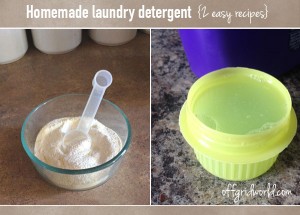
Are you tired of watching your grocery budget shrink every time you buy another bottle of laundry detergent? You’re not alone. Many households spend hundreds of dollars a year on commercial laundry products—money that could easily be redirected toward savings, debt payoff, or even a weekend getaway. The good news? You can make your own laundry detergent cheap at home using simple, affordable ingredients that cost pennies per load.
This guide walks you through easy, proven recipes for homemade laundry detergent that are gentle on clothes, effective on stains, and kind to your wallet. Whether you’re trying to cut household expenses, reduce plastic waste, or simply take control of what goes into your cleaning products, DIY detergent is a smart, sustainable choice. By the end of this article, you’ll know exactly how to whip up a batch that cleans just as well as store-bought brands—without the high price tag.
Why Making Your Own Laundry Detergent Saves You Money
Commercial laundry detergents may seem convenient, but their cost adds up fast. A single 100-load bottle can cost $15 or more, and that’s before factoring in fabric softeners, stain removers, and dryer sheets. Over a year, a family of four can easily spend $200 or more just on laundry supplies.
Homemade detergent, on the other hand, uses basic ingredients that are far less expensive. For example, a large box of washing soda costs around $5 and lasts for months. Combined with soap flakes and borax, you can make enough detergent for over 100 loads for under $10 total. That’s a savings of 70% or more compared to name-brand options.
Beyond cost, DIY detergent reduces reliance on single-use plastics and harsh chemicals. Many commercial brands contain phosphates, synthetic fragrances, and dyes that can irritate sensitive skin or harm the environment. When you make your own, you control the ingredients—opting for natural, biodegradable alternatives that are safer for your family and the planet.
What You’ll Need to Make Cheap Laundry Detergent at Home
Before you start mixing, gather these core ingredients. Most are available at your local grocery store, hardware store, or online. Buying in bulk can further reduce costs, especially if you plan to make detergent regularly.
Essential Ingredients
- Washing soda (sodium carbonate): A powerful cleaner that softens water and boosts detergent effectiveness. Do not confuse this with baking soda—they’re not the same.
- Borax (sodium borate): A natural mineral that helps remove stains and deodorize fabrics. Safe for most washing machines when used correctly.
- Bar soap (grated): Choose a pure, unscented soap like Fels Naptha, Zote, or Castile soap. Avoid moisturizing or antibacterial bars with added oils.
- Optional: Essential oils for fragrance (e.g., lavender, lemon, or tea tree oil). Use sparingly—5–10 drops per batch is plenty.
Tools You’ll Need
- A grater (box grater or food processor)
- A large mixing bowl
- Airtight storage container (glass or plastic)
- Measuring cups and spoons
- Gloves (optional, for sensitive skin)
These tools are likely already in your kitchen. If not, they’re inexpensive and reusable for future batches. The entire setup costs less than $20, and you’ll recoup that investment after just a few loads of laundry.
Easy Recipe: Powdered Laundry Detergent (Best for HE and Standard Machines)
This powdered recipe is the most popular for homemade detergent because it’s simple, shelf-stable, and works in both high-efficiency (HE) and traditional washing machines. It’s also less likely to clog dispensers, making it ideal for modern appliances.
Ingredients
- 1 bar of soap (5–6 oz), finely grated
- 1 cup washing soda
- 1 cup borax
- Optional: 10–15 drops essential oil
Instructions
- Grate the bar soap using the finest side of a box grater or pulse in a food processor until it resembles fine flakes.
- In a large bowl, combine the grated soap, washing soda, and borax. Mix thoroughly with a spoon or whisk.
- If using essential oils, add them now and stir well to distribute evenly.
- Transfer the mixture to an airtight container. Label it clearly and store in a cool, dry place.
Use 1–2 tablespoons per load for standard washes. For heavily soiled clothes or larger loads, you can use up to 3 tablespoons. Always dissolve the powder in hot water first if your machine has a detergent drawer, or add it directly to the drum before loading clothes.
This recipe yields approximately 100 loads of laundry and costs less than $0.10 per load. Compare that to $0.15–$0.30 per load for commercial detergents, and the savings become clear.
Liquid Laundry Detergent Recipe (Great for Cold Water Washes)
If you prefer a liquid detergent or have a top-loading machine that doesn’t handle powders well, this liquid version is a great alternative. It dissolves completely in cold water and is gentle on fabrics.
Ingredients
- 1 bar of soap (5–6 oz), grated
- 1 cup washing soda
- 1 cup borax
- 4 cups hot water (for dissolving soap)
- 8 cups cold water
- Optional: 10–15 drops essential oil
Instructions
- In a large pot, bring 4 cups of water to a boil. Add the grated soap and stir until completely melted.
- Remove from heat and add the washing soda and borax. Stir until dissolved.
- Pour the mixture into a 1-gallon jug or large container. Add 8 cups of cold water and stir gently.
- If using essential oils, add them now and mix well.
- Let the detergent cool and thicken slightly. It will have a gel-like consistency—this is normal.
- Shake or stir before each use, as separation is common.
Use ¼ to ½ cup per load, depending on soil level. This recipe makes about 1 gallon of detergent, enough for 16–20 loads, and costs roughly $0.25 per load—still far cheaper than most store brands.
Note: Liquid detergent may not last as long as powder. Store in a cool place and use within 2–3 months for best results.
Tips to Maximize Savings and Effectiveness
Making your own detergent is just the first step. To get the most value and performance, follow these practical tips:
Buy Ingredients in Bulk
Purchasing washing soda, borax, and bar soap in larger quantities reduces the cost per batch. Many warehouse clubs or online retailers offer 5-pound boxes of washing soda or 4-pound boxes of borax at significant discounts. Split bulk purchases with a friend or neighbor to save even more.
Use Cold Water When Possible
Heating water accounts for up to 90% of the energy used in laundry. By washing in cold water, you save on utility bills and extend the life of your clothes. Both powdered and liquid DIY detergents work well in cold water, especially when pre-dissolved.
Pre-Treat Stains Naturally
Instead of buying expensive stain removers, make your own. Mix equal parts baking soda and water into a paste, apply to stains, and let sit for 15–30 minutes before washing. For grease stains, sprinkle cornstarch to absorb oil, then brush off before laundering.
Skip the Fabric Softener
Commercial fabric softeners coat fibers and reduce absorbency over time. Instead, add ½ cup of white vinegar to the rinse cycle. It softens clothes, removes soap residue, and eliminates odors—without the chemicals or cost.
Use Wool Dryer Balls
Replace dryer sheets with reusable wool dryer balls. They reduce drying time by up to 25%, lower energy use, and last for thousands of loads. A set of 3–6 balls costs $10–$20 and pays for itself in months.
Common Mistakes to Avoid When Making DIY Detergent
Even simple recipes can go wrong if you’re not careful. Avoid these common pitfalls to ensure your homemade detergent works effectively and safely.
Using the Wrong Soap
Not all bar soaps are created equal. Avoid soaps with added moisturizers, oils, or exfoliants—they can leave residue in your machine or on clothes. Stick to pure, unscented options like Fels Naptha or Castile soap.
Overusing Detergent
More isn’t better. Using too much detergent can cause buildup in your washing machine, reduce cleaning efficiency, and leave a film on clothes. Stick to the recommended 1–2 tablespoons for powder or ¼ cup for liquid.
Storing Powder in Humid Conditions
Powdered detergent can clump or harden in humid environments. Always store it in an airtight container in a dry place. If it does clump, break it up with a fork or pulse in a food processor before use.
Ignoring Machine Compatibility
Some HE machines are sensitive to suds. While DIY detergent is low-sudsing, always check your manufacturer’s guidelines. If you notice excessive suds, reduce the amount used or switch to a liquid formula.
Environmental and Health Benefits of Homemade Detergent
Beyond saving money, making your own detergent supports a healthier home and planet. Commercial detergents often contain synthetic fragrances, dyes, and preservatives that can trigger allergies or skin irritation. DIY versions use minimal, recognizable ingredients—ideal for sensitive skin or eco-conscious households.
Environmentally, homemade detergent reduces plastic waste. A single batch replaces multiple plastic bottles, and the ingredients are biodegradable. Washing soda and borax break down naturally in water, unlike phosphates found in some commercial brands that harm aquatic ecosystems.
Additionally, DIY detergent production has a lower carbon footprint. Manufacturing, packaging, and shipping commercial detergents require significant energy. By making your own, you cut out the middleman and reduce transportation emissions.
Key Takeaways: Why DIY Laundry Detergent Is a Smart Financial Move
- Homemade laundry detergent costs less than $0.25 per load—saving you $100+ per year.
- Simple recipes use only 3–4 ingredients and take under 30 minutes to prepare.
- Powdered detergent works in all machine types and stores indefinitely.
- Liquid detergent is ideal for cold water washes and top-loading machines.
- Pairing DIY detergent with vinegar and wool dryer balls maximizes savings and sustainability.
- Avoiding commercial brands reduces exposure to harsh chemicals and plastic waste.
Frequently Asked Questions
Is homemade laundry detergent safe for HE machines?
Yes, both powdered and liquid DIY detergents are safe for high-efficiency (HE) machines when used in the correct amounts. HE machines require low-sudsing formulas, and homemade versions typically produce minimal suds. Just avoid overloading and use only 1–2 tablespoons of powder or ¼ cup of liquid per load.
Will homemade detergent clean as well as store-bought brands?
Yes, when made correctly, DIY detergent cleans effectively—especially for everyday laundry. It may not tackle extreme stains as aggressively as heavy-duty commercial brands, but pre-treating stains and using hot water when needed can improve results. Many users report clothes coming out just as clean, if not cleaner, than with store-bought options.
Can I use scented bar soap in my detergent?
It’s best to avoid strongly scented or moisturizing soaps, as they may contain oils or fragrances that leave residue. If you prefer a light scent, use unscented soap and add 10–15 drops of pure essential oil instead. This gives you control over the fragrance and ensures compatibility with your washing machine.
Final Thoughts: Start Saving on Laundry Today
Making your own laundry detergent cheap isn’t just a money-saving hack—it’s a step toward smarter, more intentional living. By taking a few minutes to mix up a batch at home, you reclaim control over your household expenses, reduce waste, and create a cleaner, greener routine.
You don’t need special skills or expensive tools. Just a bar of soap, some washing soda, and borax can transform your laundry day from a budget drain to a cost-effective chore. And the savings compound over time—imagine what you could do with an extra $100 or $200 a year.
Start small. Try the powdered recipe this weekend. Use it for a few loads and see how your clothes feel. Notice the difference in cost, cleanliness, and peace of mind. Once you experience the benefits, you’ll wonder why you waited so long.
Your wallet—and the planet—will thank you.