
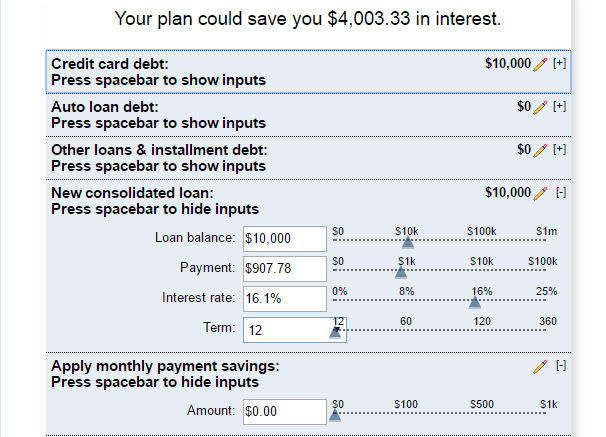
You’re not alone. Thousands of people carry around $10,000 or more in credit card balances, personal loans, or medical bills—and the stress of watching interest pile up can feel overwhelming. But here’s the good news: paying off $10,000 in debt in one year is absolutely possible with the right plan, consistent effort, and a clear focus on your financial goals. This guide walks you through a realistic, step-by-step strategy to eliminate that debt within 12 months—without sacrificing your sanity or your lifestyle.
Why Paying Off $10,000 in One Year Is Achievable
Many people assume that getting rid of $10,000 in debt takes years. But with discipline and a solid repayment strategy, you can clear it in just 12 months. The key is understanding your cash flow, cutting unnecessary expenses, and making extra income a priority. Most importantly, you need a plan that fits your life—not one that feels like punishment.
Imagine being debt-free in a year. No more minimum payments, no more late fees, and no more sleepless nights worrying about your credit score. That future starts with a single decision: today.
Step 1: Know Exactly What You Owe
Before you can tackle your debt, you need to see the full picture. Gather all your statements—credit cards, loans, medical bills, and any other debts. List them out with the current balance, interest rate, and minimum monthly payment.
This isn’t just about numbers. It’s about clarity. When you write it down, the problem becomes manageable. You’ll also identify which debts cost you the most in interest, helping you decide which to pay off first.
Example Debt Breakdown
- Credit Card A: $4,000 at 18% APR, $120 minimum
- Personal Loan: $3,500 at 12% APR, $150 minimum
- Medical Bill: $2,500 at 0% interest, $50 minimum
Now you have a roadmap. Without this step, you’re flying blind.
Step 2: Choose the Right Debt Repayment Strategy
There are two proven methods for paying off debt: the debt snowball and the debt avalanche. Both work—but one might work better for your personality and motivation.
The Debt Snowball Method
This approach focuses on paying off your smallest balances first, regardless of interest rate. The psychological win of eliminating a debt quickly boosts motivation and keeps you going.
For example, you’d pay extra toward the $2,500 medical bill first. Once that’s gone, you roll that $50 payment into the next smallest balance. It’s simple, satisfying, and effective for people who need quick wins.
The Debt Avalanche Method
This method targets the highest-interest debt first. You save more money on interest over time, making it the most cost-effective strategy.
In our example, you’d attack the $4,000 credit card at 18% APR first. While it may take longer to see a balance hit zero, you’ll pay less overall. This works best if you’re motivated by long-term savings.
Choose the method that fits your mindset. Consistency matters more than perfection.
Step 3: Create a Realistic Monthly Budget
To pay off $10,000 in a year, you need to free up about $833 per month toward debt—on top of your minimum payments. That’s a big number, but it’s doable with smart budgeting.
Start by tracking every dollar you spend for one month. Use a free app like Mint or YNAB, or just a simple spreadsheet. Categorize your spending: rent, groceries, transportation, entertainment, subscriptions, etc.
Once you see where your money goes, you can make intentional cuts. You don’t need to become a monk—just more mindful.
Common Areas to Cut Back
- Dining out: Reduce from 5 times a week to once or twice
- Streaming services: Cancel unused subscriptions (Netflix, Hulu, etc.)
- Groceries: Plan meals, buy store brands, use coupons
- Transportation: Carpool, bike, or use public transit when possible
- Utilities: Lower thermostat, unplug devices, switch to LED bulbs
Small changes add up. Cutting $200 a month from dining and $50 from subscriptions gives you $250 extra for debt each month.
Step 4: Increase Your Income
Cutting expenses helps, but earning more accelerates your progress. To hit $833 extra per month, you may need to bring in additional income.
Think beyond your 9-to-5. There are dozens of ways to make money on the side—many of which fit into your existing schedule.
Side Hustles That Work
- Sell unused items on Facebook Marketplace or eBay
- Drive for Uber or Lyft on weekends
- Tutor students online via platforms like Wyzant
- Freelance writing, graphic design, or virtual assistance
- Rent out a spare room on Airbnb
- Do local gigs through TaskRabbit or Craigslist
Even an extra $300 a month from a part-time gig gets you 36% closer to your goal. Combine that with budget cuts, and you’re well on your way.
Step 5: Use Windfalls Wisely
Tax refunds, work bonuses, birthday money, or even cash gifts can give your debt payoff a major boost. Instead of splurging, commit these windfalls directly to your debt.
For example, a $1,000 tax refund could wipe out a chunk of your smallest balance or reduce your highest-interest debt significantly. It’s like a mini-victory that keeps momentum high.
Make it a rule: any unexpected money goes straight to debt. No exceptions.
Step 6: Avoid New Debt
While you’re paying off $10,000, the last thing you need is more debt. That means no new credit card purchases, no personal loans, and no financing big-ticket items.
Use cash or a debit card for purchases. If you can’t afford it now, wait. This builds discipline and protects your progress.
It’s also smart to pause non-essential spending. Skip the vacation, delay the new phone, and resist impulse buys. Your future self will thank you.
Step 7: Automate Your Payments
Set up automatic payments for your minimums—and extra amounts—so you never miss a due date. Late fees and interest hikes can derail your plan.
Even better, schedule extra payments on the same day you get paid. This “pay yourself first” approach ensures your debt gets priority before you spend on other things.
Automation removes temptation and builds consistency. It’s one of the simplest yet most effective tools in your debt-fighting toolkit.
Step 8: Track Your Progress Monthly
Every month, review your debt balances and celebrate progress. Use a debt payoff tracker—a simple chart or app—to visualize how far you’ve come.
Seeing your balances drop is incredibly motivating. It reminds you that your sacrifices are working. And if you slip up one month, don’t panic. Just get back on track the next month.
Progress isn’t always linear. What matters is that you keep moving forward.
Step 9: Stay Motivated with Small Rewards
Paying off debt is hard work. Don’t punish yourself—reward smart choices. Set milestones and treat yourself when you hit them.
For example:
– After paying off the first $2,500: Enjoy a nice homemade dinner
– At the halfway point ($5,000): Buy a book or see a movie
– When debt-free: Plan a small celebration with friends
These rewards keep you engaged without breaking the bank. They’re part of a healthy, sustainable approach to money management.
Step 10: Build a Buffer for Emergencies
One of the biggest risks during debt payoff is an unexpected expense—like a car repair or medical bill. Without savings, you might be tempted to use credit, undoing your progress.
Aim to save a small emergency fund—$500 to $1,000—while paying off debt. This buffer prevents you from going further into the red when life throws a curveball.
Once your debt is gone, build a full emergency fund (3–6 months of expenses). But for now, even a few hundred dollars can save you from disaster.
Real-Life Example: How Sarah Paid Off $10,000 in 10 Months
Sarah, a 29-year-old teacher from Ohio, had $10,200 in credit card debt from student loans and living expenses after college. She felt stuck and overwhelmed.
She started by listing all her debts and choosing the debt avalanche method. Her highest-interest card was at 22% APR, so she focused there first.
Sarah cut her monthly spending by $300—canceling subscriptions, cooking at home, and biking to work. She also started tutoring online, earning an extra $400 a month.
She used her $1,200 tax refund to make a lump-sum payment and automated her extra $700 monthly payment. After 10 months, her debt was gone.
“It wasn’t easy,” she says. “But every time I saw the balance drop, I felt stronger. Now I’m saving for a house.”
Common Mistakes to Avoid
Even with a solid plan, it’s easy to slip up. Watch out for these common pitfalls:
- Not tracking spending: You can’t manage what you don’t measure
- Taking on new debt: One new purchase can undo months of progress
- Giving up after a setback: Life happens. Get back on track quickly
- Ignoring interest rates: Paying low-interest debt first costs you more
- Not celebrating wins: Motivation fades without recognition
Avoiding these mistakes keeps you on the fast track to financial freedom.
Key Takeaways
- Paying off $10,000 in one year requires about $833 extra per month
- Choose between the debt snowball (smallest balance first) or avalanche (highest interest first)
- Create a detailed budget and cut non-essential spending
- Increase income through side hustles or selling unused items
- Use windfalls like tax refunds to make lump-sum payments
- Avoid new debt and automate your payments
- Track progress monthly and reward milestones
- Build a small emergency fund to prevent setbacks
FAQ
Can I really pay off $10,000 in one year on a modest income?
Yes, if you combine budgeting, extra income, and disciplined spending. Many people earning $30,000–$50,000 a year have done it by cutting expenses and taking on side work. It’s about priorities, not just income.
Should I use a balance transfer or debt consolidation loan?
These tools can help if you qualify for a 0% interest rate and can pay off the balance before the promotional period ends. But they require discipline. If you’re not careful, you could end up with more debt. Use them wisely—and only if they fit your plan.
What if I miss a payment or fall behind?
Don’t panic. Contact your creditor, explain the situation, and ask for a payment plan. Many are willing to work with you. Then, adjust your budget and get back on track. One setback doesn’t mean failure—just a bump in the road.
Conclusion
Paying off $10,000 in debt in one year isn’t just a dream—it’s a realistic goal within your reach. It takes planning, sacrifice, and consistency, but the freedom you’ll gain is worth every effort. Start today: list your debts, pick a strategy, and make your first extra payment. One year from now, you could be celebrating a debt-free life.
You don’t need a six-figure salary or a miracle. You just need a plan—and the courage to stick with it. Take the first step now. Your future self is already thanking you.