
Are you tired of living paycheck to paycheck? Do you feel like your money disappears before the month even ends? You’re not alone. Millions of people struggle with rising costs and shrinking savings. The good news? A practical how to drastically reduce monthly expenses checklist can help you take back control. By identifying hidden spending leaks and making smart, consistent changes, you can slash your monthly outgoings—sometimes by hundreds of dollars—without sacrificing your quality of life.
This guide walks you through a step-by-step plan to cut unnecessary costs, optimize recurring bills, and build smarter financial habits. Whether you’re saving for a rainy day, paying off debt, or just want more breathing room in your budget, these proven strategies will help you keep more money in your pocket every single month.
Start with a Realistic Budget: The Foundation of Expense Reduction
Before you can reduce expenses, you need to know where your money is going. A clear budget isn’t about restriction—it’s about awareness. Track every dollar you spend for at least one month. Use a simple notebook, a spreadsheet, or a free app like Mint or YNAB. Categorize your spending into essentials (rent, groceries, utilities) and non-essentials (subscriptions, dining out, impulse buys).
Once you have the data, compare your spending to your income. Are you spending more than you earn? Are certain categories bloated? This insight is your starting point. A realistic budget helps you spot patterns and make informed decisions. It also prevents emotional spending by giving you a clear financial roadmap.
Remember, budgeting isn’t a one-time task. Review it monthly. Adjust as your income or expenses change. The goal is to create a system that works for your lifestyle, not against it.
Slash Your Fixed Expenses: Big Savings from Big Bills
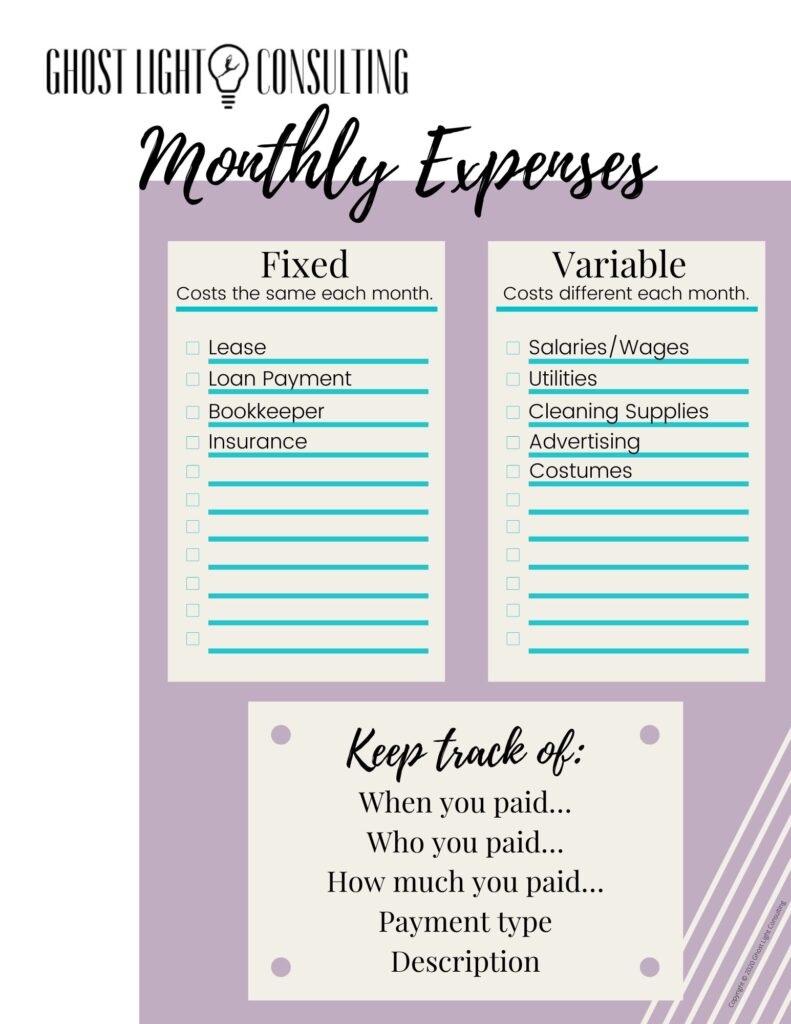
Fixed expenses—like rent, car payments, and insurance—are often the largest chunks of your budget. While they may seem unavoidable, there are ways to reduce them without drastic lifestyle changes.
Negotiate Your Rent or Refinance Your Mortgage
If you rent, consider negotiating with your landlord. If you’ve been a reliable tenant, they may lower your rent to avoid vacancy costs. Alternatively, look into moving to a more affordable area or downsizing your space. For homeowners, refinancing your mortgage when interest rates drop can save you hundreds per month. Even a 0.5% reduction in your rate can mean thousands in savings over time.
Cut Your Car Insurance and Auto Costs
Car insurance is a major monthly expense. Shop around every six months. Many people overpay simply because they never compare quotes. Bundle policies (home and auto), raise your deductible slightly, or ask about safe driver discounts. Also, consider downsizing to a more fuel-efficient vehicle or using public transportation when possible.
Don’t forget maintenance. Regular oil changes and tire rotations extend your car’s life and improve gas mileage. A well-maintained vehicle costs less in the long run.
Lower Your Utility Bills
Utilities—electricity, water, gas, internet—can quietly drain your budget. Start by auditing your usage. Are you leaving lights on? Running the dishwasher half-full? Small changes add up.
Switch to LED bulbs, unplug devices when not in use, and adjust your thermostat by just a few degrees. In winter, lower it when you’re asleep or away. In summer, use fans instead of AC when possible. Install a programmable thermostat for automatic savings.
For internet and cable, call your provider and ask for a lower rate. Mention competitor offers—they often have retention deals. Or switch to a cheaper plan. Many households pay for premium channels they never watch.
Eliminate Recurring Subscriptions and Memberships
Subscriptions are sneaky. A $10 monthly app here, a $15 streaming service there—they seem small, but they add up fast. The average person spends over $200 a month on recurring subscriptions.
Review every subscription you have. Cancel anything you don’t use regularly. Do you really need five streaming services? Can you share a family plan with a friend or relative? Consider free alternatives—like library apps for books and movies, or YouTube for fitness classes.
Also, check for forgotten subscriptions. Old gym memberships, software trials, or magazine renewals can linger unnoticed. Set a calendar reminder to review all subscriptions every three months.
Reduce Grocery and Food Expenses Without Sacrificing Nutrition
Food is a necessity, but it doesn’t have to break the bank. The average household spends over $500 a month on groceries and dining out. With smart planning, you can cut this by 20–30%.
Plan Meals and Stick to a List
Impulse buys are the enemy of a tight budget. Before you shop, plan your meals for the week. Make a detailed grocery list and stick to it. Shop on a full stomach—hunger leads to poor decisions.
Buy in bulk for non-perishable items like rice, beans, and pasta. Choose store brands over name brands—they’re often just as good and much cheaper. Use digital coupons and cashback apps like Ibotta or Rakuten to stretch your dollars further.
Limit Dining Out and Takeout
Eating out is convenient but costly. A $15 lunch adds up to $300 a month if you do it five times a week. Challenge yourself to cook at home more often. Batch-cook meals on weekends and freeze portions for busy days.
When you do eat out, look for lunch specials, happy hour deals, or use restaurant apps for discounts. Avoid delivery fees by picking up your order instead.
Cut Transportation and Commuting Costs
Transportation is another major expense. Whether you drive, take transit, or use ride-shares, there are ways to spend less.
If you drive to work, consider carpooling or switching to public transportation. Even one day a week can save you on gas, parking, and wear and tear. If your job allows, work from home part-time. This reduces commuting costs and saves time.
For occasional trips, use bike-sharing programs or walk when possible. Not only does it save money, but it’s also better for your health and the environment.
Optimize Your Debt Payments and Interest Rates
High-interest debt—like credit cards—can eat up a huge portion of your income. The faster you pay it off, the less you’ll pay in interest.
Start by listing all your debts with their interest rates. Focus on paying off the highest-interest debt first (the avalanche method), or the smallest balance first (the snowball method) for psychological wins. Consider consolidating credit card debt with a low-interest personal loan or balance transfer card.
Also, avoid new debt. Pause unnecessary purchases and build an emergency fund so you’re not forced to rely on credit when unexpected expenses arise.
Adopt Frugal but Smart Financial Habits
Reducing expenses isn’t just about cutting costs—it’s about changing habits. Small, consistent actions lead to big savings over time.
Automate your savings. Set up a direct deposit into a separate savings account each payday. Even $20 a week adds up to over $1,000 a year. Treat savings like a non-negotiable bill.
Use cash or debit instead of credit cards for discretionary spending. It’s harder to overspend when you see the money leaving your wallet.
Practice mindful spending. Before buying anything non-essential, ask: “Do I really need this?” or “Can I wait 48 hours?” Often, the urge passes.
Review and Adjust Your Checklist Monthly
A how to drastically reduce monthly expenses checklist isn’t a one-and-done task. It requires regular review and adjustment. Set a monthly reminder to go through your budget, check your progress, and identify new areas to cut.
Celebrate small wins. Saved $50 on groceries? Great! Paid off a credit card? Even better. Positive reinforcement keeps you motivated.
Stay flexible. Life changes—your budget should too. If you get a raise, don’t inflate your lifestyle. Redirect the extra income to savings or debt. If you face a setback, don’t give up. Adjust and keep going.
Key Takeaways
- Track every expense to understand your spending patterns.
- Negotiate fixed costs like rent, insurance, and utilities.
- Cancel unused subscriptions and memberships.
- Plan meals, shop with a list, and limit dining out.
- Reduce transportation costs through carpooling or remote work.
- Pay off high-interest debt aggressively.
- Automate savings and practice mindful spending.
- Review your budget and checklist monthly for continuous improvement.
FAQ
How much can I really save by following this checklist?
Most people can save $200–$500 or more per month by cutting unnecessary expenses and optimizing bills. The exact amount depends on your current spending habits and lifestyle. Even small changes, when done consistently, lead to significant long-term savings.
Is it worth canceling all my subscriptions?
Not necessarily. Keep the ones you use regularly and derive real value from. But cancel any that you haven’t used in the past month. The goal is intentional spending—paying only for what enhances your life.
What if I can’t reduce my rent or mortgage?
If housing costs are fixed, focus on other areas like utilities, groceries, and subscriptions. You can also explore side income opportunities to offset expenses. Sometimes earning a little extra is easier than cutting major fixed costs.
Conclusion
Reducing monthly expenses doesn’t mean living a life of deprivation. It means making smarter choices with your money so you can achieve financial freedom, reduce stress, and build a future you’re excited about. By following this practical checklist, you’ll identify wasteful spending, optimize your bills, and develop habits that support long-term financial health.
Start today. Pick one area—like reviewing your subscriptions or planning your meals—and take action. Small steps lead to big results. Your future self will thank you.