
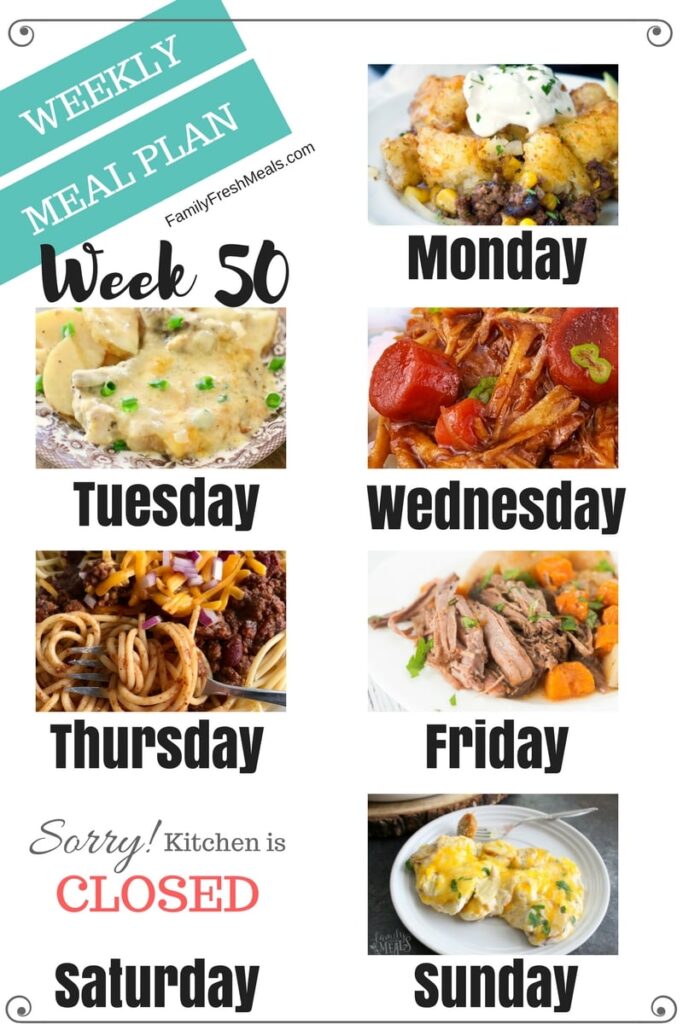
Feeding a family on just $50 a week sounds impossible—until you see how it’s done. With smart planning, strategic shopping, and a few budget-friendly recipes, it’s entirely achievable. This guide shows you exactly how to meal plan on $50 a week for a family without sacrificing nutrition or taste. Whether you’re facing tight finances, trying to reduce food waste, or simply want to take control of your grocery spending, this practical approach will help you stretch every dollar while keeping meals satisfying and balanced.
Why Meal Planning on $50 a Week Matters
Food costs are rising, and many families feel the pinch at the checkout. The average U.S. household spends over $500 a month on groceries—more than $125 per week. For families living paycheck to paycheck, that’s simply not sustainable. By learning how to meal plan on $50 a week for a family, you can free up cash for emergencies, debt payments, or savings. It also reduces stress, cuts down on impulse buys, and helps you avoid last-minute takeout.
Meal planning isn’t about eating bland or repetitive meals. It’s about making intentional choices that prioritize value, nutrition, and efficiency. When you plan ahead, you buy only what you need, use ingredients across multiple meals, and minimize waste. This method turns budgeting from a chore into a powerful tool for financial freedom.
Step-by-Step Guide to Meal Planning on $50 a Week
1. Assess Your Family’s Needs and Preferences
Before you start shopping, understand who you’re feeding. How many people are in your household? Any dietary restrictions or allergies? Do your kids prefer certain foods? Knowing your family’s tastes helps you avoid buying items that will go uneaten. It also ensures meals are enjoyable, which is key to sticking with a tight budget long-term.
Take 10 minutes to list your family’s favorite proteins, grains, and vegetables. Focus on versatile, shelf-stable items that can be used in multiple dishes. For example, beans, rice, eggs, and frozen vegetables are affordable and flexible. Avoid highly processed or specialty items that cost more and offer less nutritional value.
2. Build a Weekly Meal Template
Create a simple meal structure that repeats each week. This reduces decision fatigue and makes shopping easier. A basic template might include:
- Breakfast: Oatmeal, eggs, or toast with peanut butter
- Lunch: Bean and rice bowls, sandwiches, or leftovers
- Dinner: One-pot meals, stir-fries, or sheet pan dinners
- Snacks: Fruit, yogurt, or homemade popcorn
Stick to 3–4 dinner recipes per week and rotate them. For example, Monday could be lentil soup, Tuesday black bean tacos, Wednesday pasta with marinara, and Thursday stir-fried vegetables with rice. This repetition saves time and money while still offering variety.
3. Shop Smart: Where and How to Buy
Where you shop makes a big difference. Discount grocery stores like Aldi, Lidl, or local ethnic markets often have lower prices than mainstream supermarkets. Compare unit prices—look at cost per ounce or pound—not just the sticker price. Store brands are usually cheaper and just as good as name brands.
Buy in bulk when it makes sense. Items like rice, beans, oats, and frozen vegetables are often cheaper per unit when purchased in larger quantities. But only buy what you’ll actually use. There’s no savings in throwing away expired food.
Plan your shopping trip around sales and seasonal produce. Check weekly flyers or use apps like Flipp to find deals. Buy fruits and vegetables that are in season—they’re fresher, tastier, and less expensive. For example, carrots, cabbage, and potatoes are usually very affordable year-round.
4. Use a Grocery List and Stick to It
Never shop without a list. Impulse buys are the enemy of a $50 weekly budget. Write down exactly what you need based on your meal plan. Include quantities to avoid overbuying. For example, “2 lbs dried black beans” instead of “beans.”
Stick to the list, even if something looks tempting. If you see a great deal on an item not on your list, ask: Will I use this before it goes bad? Can I swap it into my meal plan? Only buy it if the answer is yes. This discipline keeps your spending on track.
5. Cook in Batches and Repurpose Ingredients
Batch cooking saves time and money. Cook a large pot of rice or beans at the start of the week and use them in multiple meals. Leftovers become next-day lunches or can be frozen for future use. For example, extra chili can be turned into a burrito filling or served over rice.
Repurposing ingredients reduces waste and stretches your budget. Roast a whole chicken for dinner, then use the leftovers for chicken salad, soup, or tacos. Use vegetable scraps to make homemade broth. Every part of your food should earn its place in your meal plan.
Sample $50 Weekly Meal Plan for a Family of Four
Here’s a realistic, balanced meal plan that stays under $50 for a family of four. Prices are based on average U.S. grocery costs and can vary slightly by region.
Monday
- Breakfast: Oatmeal with banana and cinnamon
- Lunch: Peanut butter and jelly sandwiches with apple slices
- Dinner: Lentil soup with carrots, onions, and potatoes
Tuesday
- Breakfast: Scrambled eggs with toast
- Lunch: Leftover lentil soup
- Dinner: Black bean and rice bowls with salsa and corn
Wednesday
- Breakfast: Yogurt with frozen berries
- Lunch: Tuna salad sandwiches on whole wheat
- Dinner: Pasta with marinara sauce and steamed broccoli
Thursday
- Breakfast: Toast with peanut butter and banana
- Lunch: Leftover pasta
- Dinner: Stir-fried cabbage, carrots, and tofu with rice
Friday
- Breakfast: Oatmeal with brown sugar and raisins
- Lunch: Bean and cheese quesadillas with carrot sticks
- Dinner: Baked potatoes with chili (made from leftover beans and tomatoes)
Saturday
- Breakfast: Pancakes (homemade with flour, eggs, and milk)
- Lunch: Leftover chili over rice
- Dinner: Egg fried rice with frozen mixed vegetables
Sunday
- Breakfast: Scrambled eggs with toast
- Lunch: Tuna and crackers with apple slices
- Dinner: Baked chicken thighs with roasted potatoes and green beans
This plan uses affordable staples like beans, rice, eggs, oats, and frozen vegetables. It includes protein at every meal and balances carbs, fats, and fiber. Total estimated cost: $48–$50, depending on sales and store choices.
Money-Saving Tips to Stay Under $50
Buy Dry Goods in Bulk
Dried beans, rice, lentils, and oats are among the cheapest sources of nutrition. A 10-pound bag of rice can cost less than $5 and last for weeks. Dried beans are far cheaper than canned—about half the price per serving. Soak and cook them yourself for maximum savings.
Use Frozen and Canned Produce
Fresh produce spoils quickly and can be expensive. Frozen vegetables retain their nutrients and are often cheaper than fresh. Canned tomatoes, corn, and beans are also budget-friendly and have long shelf lives. Rinse canned beans to reduce sodium.
Cook from Scratch
Pre-packaged meals, frozen dinners, and boxed mixes cost more and often contain added sugar and preservatives. Cooking from scratch gives you control over ingredients and cost. A homemade pasta sauce with canned tomatoes, onions, and herbs costs pennies compared to store-bought jars.
Limit Meat and Use It as a Flavor Enhancer
Meat is one of the most expensive items in a grocery cart. Instead of making it the center of every meal, use it sparingly. Add small amounts of ground beef or chicken to soups, stews, or stir-fries for flavor. Replace meat entirely with beans, lentils, or eggs in some meals.
Plan for Leftovers
Always cook extra. Leftovers reduce the need to cook every night and save time and energy. Designate one night a week as “leftover night” to clear out the fridge. You can also freeze portions for busy days.
Use Store Rewards and Coupons Wisely
Sign up for store loyalty programs to access member discounts and digital coupons. Combine them with sales for maximum savings. But don’t buy something just because it’s on sale—only if it fits your meal plan.
Overcoming Common Challenges
“My Kids Won’t Eat Beans or Vegetables”
Introduce new foods gradually. Mix finely chopped vegetables into sauces, soups, or meatloaf. Serve beans in familiar forms—like tacos or burritos—with toppings they enjoy. Offer choices: “Would you like carrots or cucumbers with your sandwich?” Involve kids in meal planning and cooking to increase their interest.
“I Don’t Have Time to Cook Every Day”
You don’t have to. Batch cooking on weekends or one evening a week can prepare meals for several days. Use a slow cooker or Instant Pot for hands-off cooking. Even 30 minutes of prep can save hours later in the week.
“$50 Feels Too Restrictive”
Start small. Try meal planning on $60 or $70 a week first, then gradually reduce. Track your spending to see where money goes. Often, small changes—like switching to store brands or eating less meat—make a big difference. Over time, $50 will feel more manageable.
Key Takeaways
- Meal planning on $50 a week for a family is possible with careful planning and smart shopping.
- Focus on affordable staples like beans, rice, eggs, oats, and frozen vegetables.
- Create a weekly meal template to reduce decision fatigue and waste.
- Shop at discount stores, buy in bulk, and use sales and coupons wisely.
- Cook from scratch, repurpose leftovers, and limit expensive items like meat.
- Involve your family in the process to increase acceptance and reduce resistance.
FAQ
Can I really feed a family of four on $50 a week?
Yes, with planning and discipline. It requires focusing on low-cost, high-nutrition foods and avoiding waste. Many families have successfully done it by using the strategies outlined in this guide.
What if my family has dietary restrictions?
Most dietary needs can be accommodated on a tight budget. For example, gluten-free grains like rice and quinoa are affordable. Plant-based proteins like beans and lentils work well for vegetarian or vegan diets. Adjust your meal plan to fit your needs while sticking to the core principles of planning and smart shopping.
How do I stay motivated when meals feel repetitive?
Rotate recipes every few weeks and experiment with spices and sauces to change flavors. Try new combinations—like adding cumin and chili powder to beans or using different herbs in rice. Small changes keep meals interesting without increasing cost.
Conclusion
Learning how to meal plan on $50 a week for a family isn’t about deprivation—it’s about empowerment. It gives you control over your budget, reduces stress, and helps you build healthier eating habits. Start with one week. Track your spending. Adjust as needed. With time, you’ll find a rhythm that works for your household. Every dollar saved on groceries is a step toward greater financial stability. Begin today—your future self will thank you.