
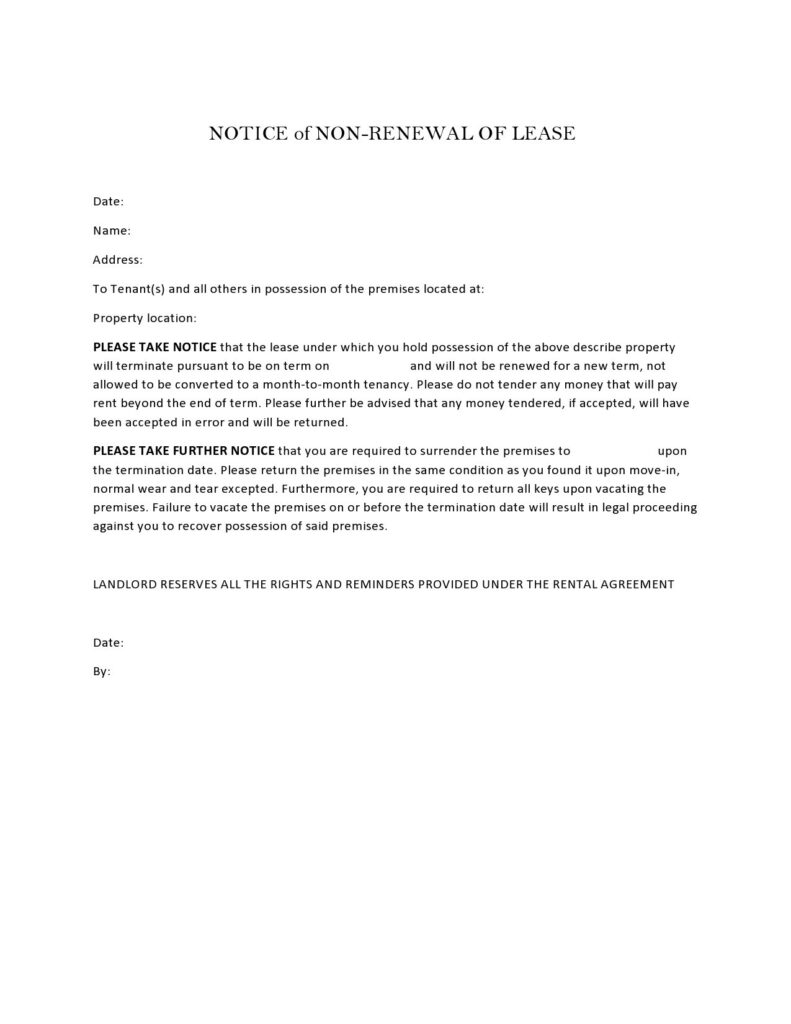
Renewing your lease doesn’t have to mean paying more. In fact, with the right approach, you can negotiate your rent down—even in a competitive market. Many renters assume rent increases are non-negotiable, but landlords often prefer keeping reliable tenants over risking vacancy. If you’ve been a responsible renter, paid on time, and maintained the property well, you’re in a stronger position than you think. This guide walks you through proven strategies to lower your rent at renewal, helping you save hundreds—or even thousands—each year.
Why Landlords Are Open to Rent Negotiation
Landlords aren’t just profit-driven robots. They’re business owners who value stability, predictability, and low turnover. A vacant unit means lost income, cleaning costs, marketing expenses, and potential damage from rushed tenant screening. If you’ve been a good tenant, your landlord already sees you as an asset. That gives you leverage.
Most property owners would rather keep a trustworthy renter at a slightly lower rate than risk a month or two of vacancy. Plus, renewing a lease is far less work than finding a new tenant. Use this to your advantage. Frame your negotiation not as a demand, but as a win-win: you stay, they keep steady income, and both sides avoid the hassle of turnover.
Timing Is Everything
The best time to start the conversation is 60 to 90 days before your lease ends. This gives your landlord enough time to consider your request without feeling pressured. If you wait until the last minute, they may assume you’ll just accept the increase. Early communication shows you’re serious and respectful of their process.
Avoid bringing up rent reduction during peak rental seasons when demand is high. Instead, aim for slower months—like late fall or winter—when landlords are more motivated to fill units quickly. Even if it’s not the off-season, your consistent payment history and care for the property can still tip the scales in your favor.
How to Prepare for a Successful Rent Negotiation
Before you pick up the phone or send an email, gather your facts. You need a solid case to justify your request. Start by researching comparable rentals in your area. Use sites like Zillow, Apartments.com, or RentCafe to find similar units nearby. If you find one-bedroom apartments going for $200 less than your current rent, that’s a powerful talking point.
Next, document your value as a tenant. Keep records of on-time payments, minor repairs you’ve handled, or positive feedback from neighbors. If you’ve referred other tenants or helped with community events, mention that too. Landlords appreciate tenants who go above and beyond.
Know Your Market Conditions
Market trends play a big role in negotiation power. If vacancy rates are rising or new apartment complexes are opening nearby, landlords may be more willing to negotiate. On the flip side, in a tight market with low supply and high demand, your leverage decreases—but it doesn’t disappear. Even in competitive areas, a long-term tenant with a clean record is still valuable.
Check local news or real estate reports to understand the broader rental climate. If the city is experiencing an economic slowdown or increased remote work leading to lower demand, use that context to support your case. You’re not just asking for a favor—you’re offering stability in uncertain times.
How to Negotiate Your Rent Down When Renewing Lease
Now comes the moment of truth: the actual conversation. Whether you’re speaking in person, over the phone, or via email, stay calm, respectful, and confident. Start by expressing your desire to stay. Say something like, “I really enjoy living here and would love to renew my lease. However, I’d like to discuss the possibility of keeping my rent at the current rate or even reducing it slightly.”
Present your research clearly. Mention the comparable units you found and highlight your reliability as a tenant. For example: “I noticed similar one-bedroom units in this neighborhood are renting for $1,600, while my current rent is $1,800. I’ve always paid on time and taken great care of the apartment. Would you consider adjusting my rent to stay competitive?”
Offer Something in Return
Negotiation is a two-way street. To make your request more appealing, offer a concession. The most effective is signing a longer lease. Say, “If you’re willing to reduce my rent by $100, I’d be happy to sign a two-year lease instead of one.” This gives the landlord guaranteed income and reduces their risk.
Other options include agreeing to handle minor maintenance tasks, paying a slightly higher security deposit, or taking on utilities that were previously included. These small trade-offs show you’re flexible and serious about staying long-term.
Be Ready for Counteroffers
Your landlord might not agree to a full reduction. They may offer a smaller decrease or propose a rent freeze instead of a cut. Don’t take it personally—this is part of the process. Evaluate the offer based on your budget and goals. A $50 reduction might not seem like much, but over 12 months, that’s $600 saved.
If they refuse outright, ask why. Is it because of rising property taxes, maintenance costs, or market rates? Understanding their reasoning helps you tailor your next move. You might say, “I understand costs are up. Would you consider a smaller reduction, or perhaps a six-month review to reassess?”
What to Do If the Landlord Says No
A flat “no” doesn’t mean the conversation is over. It just means you need to adjust your strategy. Ask if there’s room for compromise. Could they include utilities, parking, or internet in the rent? These add-ons have real value and can offset a higher monthly payment.
If they’re firm on price, consider asking for improvements instead. Maybe the carpet needs replacing, the kitchen faucet is leaking, or the walls could use a fresh coat of paint. These upgrades enhance your living experience and show the landlord you’re invested in the property.
Know When to Walk Away
Sometimes, despite your best efforts, the numbers don’t work. If the rent increase is too high and no compromise is possible, it may be time to move. But don’t make a hasty decision. Calculate the total cost of moving—security deposit, moving truck, time off work, potential overlap in rent—and compare it to the savings from a lower rent elsewhere.
If staying is still the better financial choice, accept the increase—but use this experience to prepare for next year. Build a stronger case, save more, and strengthen your tenant profile. Every negotiation is practice for the next one.
Alternative Ways to Reduce Housing Costs
If rent negotiation isn’t successful, explore other ways to cut housing expenses. One option is to find a roommate. Splitting rent and utilities can free up hundreds each month. Just make sure to choose someone reliable and sign a clear agreement to avoid conflicts.
Another idea is to downsize. If you’re in a two-bedroom but only use one, consider moving to a one-bedroom or studio. Smaller spaces often come with lower rent, reduced utility bills, and less maintenance. It’s not about living smaller—it’s about living smarter.
Leverage Local Programs and Incentives
Some cities offer rental assistance programs, especially for low- to moderate-income residents. Check with your local housing authority or nonprofit organizations. You might qualify for subsidies, tax credits, or grants that reduce your monthly burden.
Additionally, some landlords offer move-in specials or renewal bonuses, like a free month of rent or waived application fees. Even if they won’t lower the base rent, these perks can add up. Always ask—there’s no harm in inquiring.
Key Takeaways
- Start the conversation 60–90 days before your lease ends to show you’re serious and respectful.
- Research comparable rentals in your area to build a strong, data-backed case.
- Highlight your value as a tenant—on-time payments, property care, and reliability.
- Offer something in return, like signing a longer lease or taking on minor maintenance.
- Stay calm and professional, even if the landlord initially says no.
- Consider non-rent concessions like included utilities or property improvements.
- If negotiation fails, explore alternatives like roommates, downsizing, or local assistance programs.
FAQ
Can I really negotiate rent if my landlord already sent a renewal notice?
Absolutely. Receiving a renewal notice with a rent increase doesn’t mean the price is set in stone. It’s simply their opening offer. You have every right to respond with a counterproposal. Many landlords expect some back-and-forth and may have already built in room for negotiation.
What if I’ve only lived in the apartment for a few months?
Even short-term tenants can negotiate, especially if they’ve been responsible and the market has changed. Focus on external factors like lower comparable rents or increased vacancy rates. You can also emphasize your intent to stay long-term if they agree to a fair rate.
Is it better to negotiate in person, by phone, or via email?
Each method has pros and cons. In-person or phone conversations allow for real-time dialogue and tone, which can build rapport. Email gives you time to craft a clear, professional message and provides a written record. Choose based on your comfort level and your landlord’s preferred communication style.
Final Thoughts
Negotiating your rent down when renewing your lease isn’t about being difficult—it’s about being smart with your money. You’re not asking for a handout; you’re advocating for fair value based on market conditions and your track record as a tenant. With preparation, respect, and persistence, you can turn a routine renewal into a meaningful financial win.
Start small if you’re nervous. Even a $50 reduction adds up over time. And remember, every conversation builds your confidence for the next one. Your home should support your financial goals, not hinder them. Take control, speak up, and keep more of your hard-earned money where it belongs—in your pocket.