
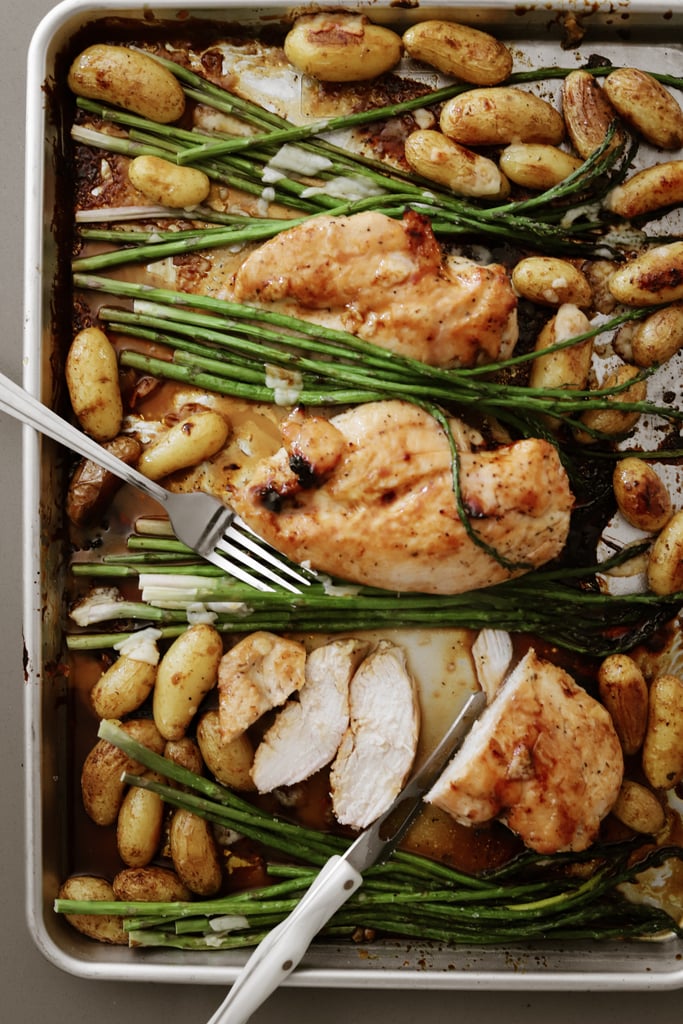
Struggling to eat well without breaking the bank? You’re not alone. Many single adults face the same challenge: wanting nutritious food without the expense or waste that comes with cooking for one. The good news is that meal prepping cheap healthy meals for one person is not only possible—it’s easier than you think. With a little planning, smart shopping, and simple recipes, you can enjoy balanced, satisfying meals all week long while keeping your grocery bill low and your energy high.
This guide walks you through every step of the process, from planning your weekly menu to storing meals safely. Whether you’re on a tight budget, trying to eat healthier, or just tired of eating out every night, these practical strategies will help you take control of your meals—and your money.
Why Meal Prepping Saves Money and Time
Meal prepping isn’t just about eating better—it’s a powerful money-saving tool. When you cook in bulk and portion out meals ahead of time, you reduce impulse buys, minimize food waste, and avoid the costly habit of ordering takeout. For one person, this is especially important. Without a partner or family to share costs, every dollar spent on groceries counts.
Studies show that people who meal prep spend up to 30% less on food each month compared to those who don’t. That’s because prepping encourages intentional shopping, reduces last-minute convenience purchases, and helps you stick to a budget. Plus, having ready-to-eat meals on hand means fewer late-night snack runs or expensive coffee shop lunches.
Beyond saving money, meal prepping also saves time. Instead of deciding what to cook each night—and then scrambling to find ingredients—you spend one or two hours on the weekend preparing meals for the entire week. That frees up your evenings for relaxation, hobbies, or even side gigs that boost your income.
How to Start Meal Prepping on a Budget
Starting a meal prep routine doesn’t require fancy equipment or gourmet ingredients. The key is simplicity and consistency. Begin by setting a realistic goal: maybe just two or three meals per week. As you get comfortable, you can expand to full-week preps.
First, assess your kitchen tools. You’ll need basic items like a large pot, a frying pan, a baking sheet, and reusable containers. If you don’t have these, start small—many are available at discount stores or secondhand shops. Avoid buying specialty gadgets; they’re rarely necessary for basic meal prep.
Next, create a weekly meal plan. Choose recipes that use overlapping ingredients to reduce waste and cost. For example, if you buy a bag of brown rice, use it in two different meals. Planning ahead also helps you avoid buying unnecessary items at the store.
Finally, set aside time each week for prep. Sunday afternoons work well for many people, but choose a time that fits your schedule. Even 60 to 90 minutes can make a big difference in your weekly routine.
Smart Shopping Tips for Single-Serving Meal Prep
Shopping smart is half the battle when it comes to meal prepping cheap healthy meals for one person. The goal is to buy only what you need, in the right quantities, at the lowest possible price.
Start by making a detailed shopping list based on your meal plan. Stick to it—avoid wandering the aisles, where impulse buys happen. Shop at discount grocers, farmers markets, or warehouse stores when possible. Many offer lower prices on staples like rice, beans, and frozen vegetables.
Buy in bulk when it makes sense. Items like oats, lentils, and canned tomatoes are shelf-stable and often cheaper per unit when purchased in larger quantities. Just make sure you’ll use them before they expire. For perishables like spinach or chicken, consider splitting bulk packages with a friend or freezing portions for later.
Don’t overlook frozen and canned goods. Frozen vegetables retain their nutrients and are often cheaper than fresh. Canned beans, tomatoes, and tuna are affordable, long-lasting, and perfect for quick meals. Just check labels for added salt or sugar.
Affordable Ingredients for Healthy Single-Serve Meals
The foundation of cheap healthy meal prep is choosing nutrient-dense, low-cost ingredients. These staples are versatile, filling, and easy to cook in large batches.
Start with whole grains like brown rice, quinoa, and oats. They’re inexpensive, high in fiber, and can be used in breakfast, lunch, or dinner. A 5-pound bag of brown rice can last weeks and cost less than $5.
Legumes are another budget-friendly powerhouse. Black beans, chickpeas, and lentils are packed with protein and fiber, and they’re much cheaper than meat. A can of beans costs around $1, while a pound of ground beef can be $5 or more.
Eggs are a fantastic source of protein and are often under $3 per dozen. Use them in scrambles, frittatas, or hard-boiled for snacks. Canned tuna and sardines are also affordable protein options that store well.
Vegetables don’t have to be expensive. Focus on seasonal produce and frozen varieties. Carrots, cabbage, onions, and potatoes are cheap and store well. Frozen broccoli, peas, and spinach are just as nutritious as fresh and won’t spoil quickly.
For healthy fats, use olive oil, peanut butter, or avocado. A small bottle of olive oil can last months, and a jar of peanut butter is great for snacks or sauces.
Sample Weekly Meal Plan for One Person
Here’s a simple, budget-friendly meal plan that uses overlapping ingredients to minimize waste and cost. Each day includes breakfast, lunch, and dinner, all designed for one person.
Monday: Oatmeal with banana and peanut butter for breakfast. Lentil soup with whole grain bread for lunch. Baked chicken thigh with roasted carrots and rice for dinner.
Tuesday: Scrambled eggs with spinach for breakfast. Leftover lentil soup for lunch. Tuna salad with mixed greens and olive oil dressing for dinner.
Wednesday: Greek yogurt with oats and berries for breakfast. Chicken and rice bowl with steamed broccoli for lunch. Black bean tacos with cabbage slaw for dinner.
Thursday: Hard-boiled egg and apple for breakfast. Leftover black bean tacos for lunch. Quinoa salad with chickpeas, cucumber, and tomato for dinner.
Friday: Oatmeal with cinnamon and raisins for breakfast. Tuna and quinoa salad for lunch. Stir-fried tofu with frozen vegetables and brown rice for dinner.
Saturday & Sunday: Repeat favorite meals or use leftovers creatively—turn extra rice into fried rice, or blend leftover veggies into a soup.
This plan uses ingredients like rice, beans, eggs, and frozen vegetables multiple times, reducing both cost and prep time. Total weekly grocery cost: under $40, depending on location and store.
Simple Recipes for Cheap Healthy Meals
You don’t need complex recipes to eat well on a budget. These easy, nutritious meals take under 30 minutes to prepare and cost less than $3 per serving.
Lentil and Vegetable Soup
Sauté onions, carrots, and celery in olive oil. Add canned tomatoes, vegetable broth, and dried lentils. Simmer for 25 minutes. Season with garlic, cumin, and salt. Serve with a slice of whole grain bread. Cost: ~$1.50 per serving.
Chickpea and Spinach Curry
Cook onions and garlic in a pot. Add canned chickpeas, coconut milk, diced tomatoes, and frozen spinach. Simmer for 15 minutes. Serve over brown rice. Add turmeric and curry powder for flavor. Cost: ~$2 per serving.
Egg and Veggie Scramble
Whisk eggs and pour into a hot pan with diced bell peppers, onions, and spinach. Cook until set. Serve with a slice of toast. Cost: ~$1.25 per serving.
Black Bean and Rice Bowl
Cook brown rice. Heat canned black beans with cumin and garlic. Top rice with beans, diced tomato, avocado, and a squeeze of lime. Cost: ~$2.25 per serving.
Overnight Oats
Mix rolled oats, milk (or plant-based alternative), chia seeds, and a touch of honey in a jar. Refrigerate overnight. Top with banana or berries in the morning. Cost: ~$1 per serving.
These recipes are flexible—swap ingredients based on what’s on sale or what you already have. The goal is simplicity, nutrition, and affordability.
Storing and Reheating Your Meals Safely
Proper storage is essential to keep your prepped meals fresh, safe, and tasty throughout the week. Using the right containers and techniques can prevent spoilage and save you from foodborne illness.
Invest in a set of airtight, BPA-free containers in various sizes. Glass containers are ideal because they don’t absorb odors and can go from fridge to microwave. Divide meals into single-serving portions to make reheating easy and reduce waste.
Label each container with the meal name and date. Most cooked meals last 3 to 4 days in the refrigerator. If you’re prepping for the whole week, consider freezing half your meals. Soups, stews, and casseroles freeze well and can be thawed overnight in the fridge.
When reheating, use a microwave, stovetop, or oven. Add a splash of water or broth to prevent drying out. Always heat food to at least 165°F (74°C) to ensure safety. Avoid reheating more than once.
For snacks and breakfast items like overnight oats or hard-boiled eggs, store them in the fridge and eat within 4 to 5 days. Keep nuts and seeds in sealed containers to maintain freshness.
Freezer-Friendly Meal Prep Ideas
Freezing meals is a game-changer for single-person meal prep. It allows you to cook once and eat twice—saving time and money.
Start with soups and stews. Portion them into freezer-safe containers or zip-top bags, leaving room for expansion. Lay bags flat to save space and thaw faster.
Casseroles and grain bowls also freeze well. Use oven-safe dishes or aluminum pans for easy reheating. Label with reheating instructions.
Breakfast items like muffins, breakfast burritos, and oatmeal cups can be frozen and reheated in the microwave. Wrap individually for quick grab-and-go options.
Even cooked grains and beans can be frozen. Store in small portions so you only thaw what you need. This reduces waste and makes meal assembly faster.
Sticking to Your Meal Prep Routine
Consistency is the biggest challenge for many people. Life gets busy, motivation fades, and it’s easy to fall back into old habits. But with a few strategies, you can make meal prepping a sustainable part of your routine.
Start small. If prepping five meals feels overwhelming, begin with two or three. Once it becomes a habit, expand gradually. Celebrate small wins—like saving $20 on groceries or skipping a takeout meal.
Schedule your prep time like any other appointment. Block off 60 to 90 minutes on your calendar and treat it as non-negotiable. Use a timer to stay focused and avoid burnout.
Keep your kitchen organized. Clean as you go, and store prepped ingredients in clear containers. The more visible and accessible your food is, the more likely you are to eat it.
Involve yourself in the process. Play music, listen to a podcast, or invite a friend over to prep together. Making it enjoyable increases the chances you’ll stick with it.
Finally, be flexible. If you miss a prep day, don’t give up. Adjust your plan, use leftovers, or cook a simple meal. Perfection isn’t the goal—progress is.
Key Takeaways
Meal prepping cheap healthy meals for one person is a smart, sustainable way to save money, eat better, and reduce stress. By planning ahead, shopping smart, and using simple recipes, you can enjoy nutritious meals without overspending or wasting food.
Focus on affordable staples like beans, grains, eggs, and frozen vegetables. Cook in batches, store meals properly, and reuse ingredients across multiple dishes. Even small efforts—like prepping two meals a week—can lead to big savings over time.
Remember, the goal isn’t perfection. It’s progress. Start where you are, use what you have, and build from there. With consistency and a little creativity, you’ll soon find that eating well on a budget isn’t just possible—it’s enjoyable.
FAQ
How much can I really save by meal prepping?
Most people save between $50 and $100 per month by meal prepping instead of eating out or buying convenience foods. The exact amount depends on your location, diet, and shopping habits, but even small changes can add up over time.
What if I don’t have time to cook every week?
You don’t need to prep every meal. Start with just a few—like weekend breakfasts or weekday lunches. Even 30 minutes of prep can make a difference. Use slow cookers or one-pot recipes to save time and cleanup.
Can I meal prep if I have dietary restrictions?
Absolutely. Meal prepping works for vegetarians, vegans, gluten-free, and low-carb diets. Focus on whole, unprocessed foods and adjust recipes to fit your needs. Many budget-friendly staples—like beans, rice, and vegetables—are naturally adaptable.
Conclusion
Eating healthy doesn’t have to be expensive or time-consuming. By learning how to meal prep cheap healthy meals for one person, you take control of your diet, your budget, and your time. It’s a small change with big rewards—more money in your pocket, better energy, and less stress around mealtime.
Start today. Pick one recipe, make a shopping list, and spend an hour in the kitchen. That’s all it takes to begin. Over time, you’ll build a routine that fits your life and supports your goals. Your future self—and your wallet—will thank you.