
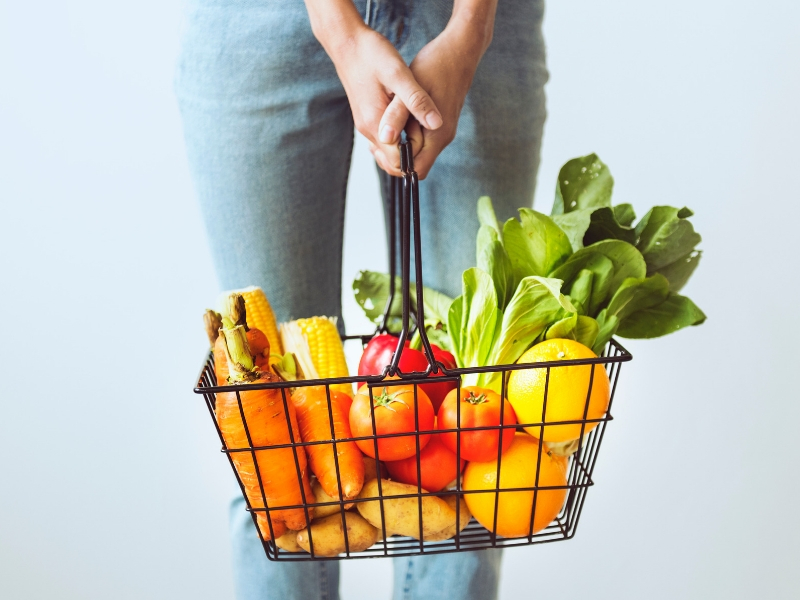
Struggling to stretch your grocery budget? You’re not alone. In 2026, rising food costs and tighter household budgets have made finding ways to get free groceries legally more important than ever. The good news? Smartphone apps now offer real, legitimate opportunities to earn or receive free groceries—no scams, no hidden fees, just practical solutions powered by technology and community support.
Whether you’re looking to reduce monthly expenses, build better financial habits, or simply make ends meet, using the right apps can help you access free groceries through rewards, cashback, food rescue programs, and community sharing networks. This guide breaks down the most effective, legal methods available in 2026, so you can start saving on groceries today—without breaking the bank or your ethics.
Why Free Groceries Through Apps Are More Accessible in 2026
The landscape of personal finance has shifted dramatically over the past few years. Inflation, supply chain challenges, and economic uncertainty have pushed more people toward digital tools that help manage everyday expenses. As a result, app developers, nonprofits, and retailers have responded with innovative platforms designed to help users save money—especially on essentials like groceries.
In 2026, getting free groceries legally isn’t about luck or loopholes. It’s about leveraging technology to your advantage. From cashback rewards on everyday purchases to apps that connect you with surplus food from local stores, the options are both diverse and accessible. These tools don’t just offer one-time handouts—they promote sustainable money management habits that can reduce long-term spending.
Importantly, these methods are completely legal and often supported by government initiatives, nonprofit organizations, or corporate social responsibility programs. They’re designed to reduce food waste, support low-income families, and reward responsible consumer behavior. By using them wisely, you can improve your financial health while contributing to broader social and environmental goals.
Top Apps That Help You Get Free Groceries in 2026
Cashback and Rewards Apps
Cashback apps remain one of the most reliable ways to earn free groceries. These platforms reward you for everyday shopping by giving you a percentage of your purchase back in the form of credits, gift cards, or direct deposits. In 2026, several apps have refined their systems to offer higher rewards, better grocery partnerships, and faster payouts.
One standout is Ibotta, which partners with major grocery chains like Walmart, Kroger, and Albertsons. You simply upload receipts after shopping, and the app scans them for eligible items. Once verified, you earn cash back—often 10–20% on specific products. Over time, these small rewards add up to significant savings, effectively giving you free groceries with every trip.
Another powerful option is Fetch Rewards. Instead of clipping digital coupons, you scan any grocery receipt—no matter where you shop. The app uses AI to identify qualifying purchases and awards points based on brand participation. Points can be redeemed for gift cards to stores like Amazon, Target, and grocery chains, which you can use to buy more food at no extra cost.
For those who prefer direct bank deposits, Rakuten (formerly Ebates) offers cashback on online grocery orders through platforms like Walmart Grocery and Instacart. While not every store participates, Rakuten’s rotating bonus categories often include grocery delivery services, making it a smart addition to your money-saving toolkit.
Food Rescue and Surplus Apps
Food waste is a massive global issue—over 30% of food produced is never eaten. In response, apps have emerged to connect consumers with surplus food from restaurants, bakeries, and grocery stores at deeply discounted prices—or even for free.
Too Good To Go is a leading platform in this space. Partnering with local businesses, the app lets you purchase “surprise bags” of unsold food at up to 70% off retail price. While not always free, many locations offer bags for $1–$3, and some communities have “free rescue” events during holidays or surplus periods. In 2026, the app has expanded to over 20 countries and continues to grow.
Similarly, Olio focuses on community sharing. Users can post surplus food—like extra produce from a garden, unopened pantry items, or leftovers—for neighbors to claim for free. The app emphasizes sustainability and neighborly support, making it ideal for those who want to reduce waste while helping others.
In some cities, local food rescue organizations have launched their own apps. For example, Food Rescue US coordinates volunteer-driven food recovery and distributes rescued meals through partner agencies. While not a direct consumer app, it often lists public distribution events where free groceries are available to anyone in need.
Loyalty and Membership Programs with Free Grocery Perks
Many grocery chains now offer free groceries as part of their loyalty programs. These aren’t giveaways—they’re strategic rewards designed to keep customers coming back. In 2026, several programs have evolved to include more generous free-item offers.
For instance, Kroger’s Boost membership ($59/year) includes free delivery, personalized deals, and monthly free item selections. Members can choose from a rotating list of products—often staples like bread, milk, or cereal—effectively getting free groceries each month.
Walmart+ offers similar benefits. For $98/year, subscribers get free delivery from stores, fuel discounts, and access to exclusive deals. While not all items are free, the savings on delivery fees and time can free up budget for additional groceries.
Even wholesale clubs like Costco and Sam’s Club have introduced digital reward systems. Costco’s Executive Membership gives 2% cash back on purchases (up to $1,000 annually), which can be used toward future grocery hauls. Sam’s Club offers instant savings on select items through their app, with occasional free product samples included in orders.
How to Maximize Your Savings with Smart App Strategies
Using these apps effectively requires more than just downloading and hoping for the best. To truly get free groceries legally, you need a strategy. Start by combining multiple apps to stack rewards. For example, use Ibotta for cashback, shop through Rakuten for additional rebates, and pick up a Too Good To Go bag on your way home.
Timing also matters. Many cashback apps offer bonus rewards during holidays, back-to-school season, or end-of-month promotions. Set calendar reminders to check for these opportunities. Also, pay attention to “double dip” deals—where a product is eligible for both a manufacturer coupon and a cashback reward.
Another smart move is to focus on high-value, frequently used items. Instead of chasing small rebates on snacks, target essentials like eggs, bread, or cleaning supplies. These are items you’d buy anyway, so earning cash back or getting them free has a bigger impact on your budget.
Finally, stay organized. Keep a digital folder for receipts, track your earnings in a simple spreadsheet, and set monthly savings goals. This habit not only helps you see progress but also reinforces positive financial behaviors that go beyond just saving on groceries.
Legal and Ethical Considerations When Using Grocery Apps
It’s important to remember that “free” doesn’t mean “unearned.” Most apps require some level of participation—uploading receipts, scanning barcodes, or making purchases. These actions generate data and engagement that benefit the app developers and their partners. In return, you receive value in the form of savings or free products.
All the methods discussed here are fully legal. They operate within the bounds of consumer protection laws, data privacy regulations, and fair trade practices. However, it’s wise to read the terms of service for each app. Some may limit redemptions, require minimum balances, or share anonymized data with third parties.
Ethically, using these apps supports positive outcomes. Food rescue apps help reduce waste and feed people in need. Cashback programs reward loyal customers and encourage responsible spending. Community sharing platforms build local connections and promote sustainability.
Avoid apps that promise “free groceries with no effort” or require upfront payments. These are often scams. Legitimate platforms make money through partnerships, not by charging users. If something sounds too good to be true, it probably is.
Building Better Financial Habits Through Grocery Savings
Getting free groceries isn’t just about saving money—it’s about changing how you think about spending. When you start earning rewards or rescuing surplus food, you become more mindful of where your money goes. This awareness is the foundation of strong financial habits.
For example, tracking your grocery spending through an app can reveal patterns—like overspending on impulse items or buying name brands when generics would do. Over time, this insight helps you make smarter choices, reduce waste, and allocate funds to other financial goals like emergency savings or debt repayment.
Moreover, the discipline required to use these apps consistently—scanning receipts, checking for deals, planning shopping trips—builds habits that translate to other areas of personal finance. You start thinking like a savvy consumer, not just a passive spender.
Consider setting a “grocery savings goal.” Maybe you want to save $50 a month on food. Use your app earnings to fund a small vacation, pay down a credit card, or invest in a high-yield savings account. This turns everyday savings into long-term financial growth.
Key Takeaways: How to Get Free Groceries Legally with Apps in 2026
- Use cashback apps like Ibotta and Fetch Rewards to earn money back on everyday grocery purchases.
- Explore food rescue platforms such as Too Good To Go and Olio to access surplus food at low or no cost.
- Join grocery loyalty programs that offer free items, delivery perks, and exclusive discounts.
- Combine multiple apps and strategies to maximize savings and stack rewards.
- Stay organized, track your progress, and use savings to support broader financial goals.
- Only use reputable, legal apps—avoid anything that asks for upfront fees or makes unrealistic promises.
Frequently Asked Questions
Are these apps really free to use?
Yes, all the apps mentioned in this guide are free to download and use. They generate revenue through partnerships with retailers, brands, and advertisers—not by charging users. You may need to make purchases to earn rewards, but the apps themselves don’t cost anything.
Can I really get completely free groceries, or just discounts?
While most apps offer discounts or cashback, some do provide truly free items. For example, Olio connects you with neighbors giving away surplus food, and some Too Good To Go locations offer free rescue bags during special events. Additionally, loyalty programs often include free monthly items as part of membership perks.
Is it worth the time to use multiple apps?
For most people, yes—especially if you shop regularly. The time invested in scanning receipts or checking for deals typically pays off within a few weeks. Over a year, consistent use can save hundreds of dollars, effectively giving you free groceries while improving your overall money management skills.
Start Saving on Groceries Today
In 2026, getting free groceries legally is not only possible—it’s practical, accessible, and aligned with smart financial habits. By using the right apps, you can reduce your grocery bills, minimize food waste, and take control of your spending. The key is consistency and strategy.
Begin by downloading one or two apps that fit your shopping style. Set a small goal—like saving $20 on your next grocery trip—and track your progress. As you see results, you’ll be motivated to explore more tools and refine your approach.
Remember, every dollar saved on groceries is a dollar you can redirect toward building savings, paying off debt, or investing in your future. Start small, stay consistent, and watch how these simple changes add up over time.
Your journey to better financial health starts with the choices you make today. Download an app, scan a receipt, or claim a free food share—and take the first step toward smarter, more sustainable money management.